
Show & Tell
What MARLIN is, how it started, and where it's heading.
From a one-page sketch to a system that listens, thinks, and reports by itself — here's the MARLIN story so far.
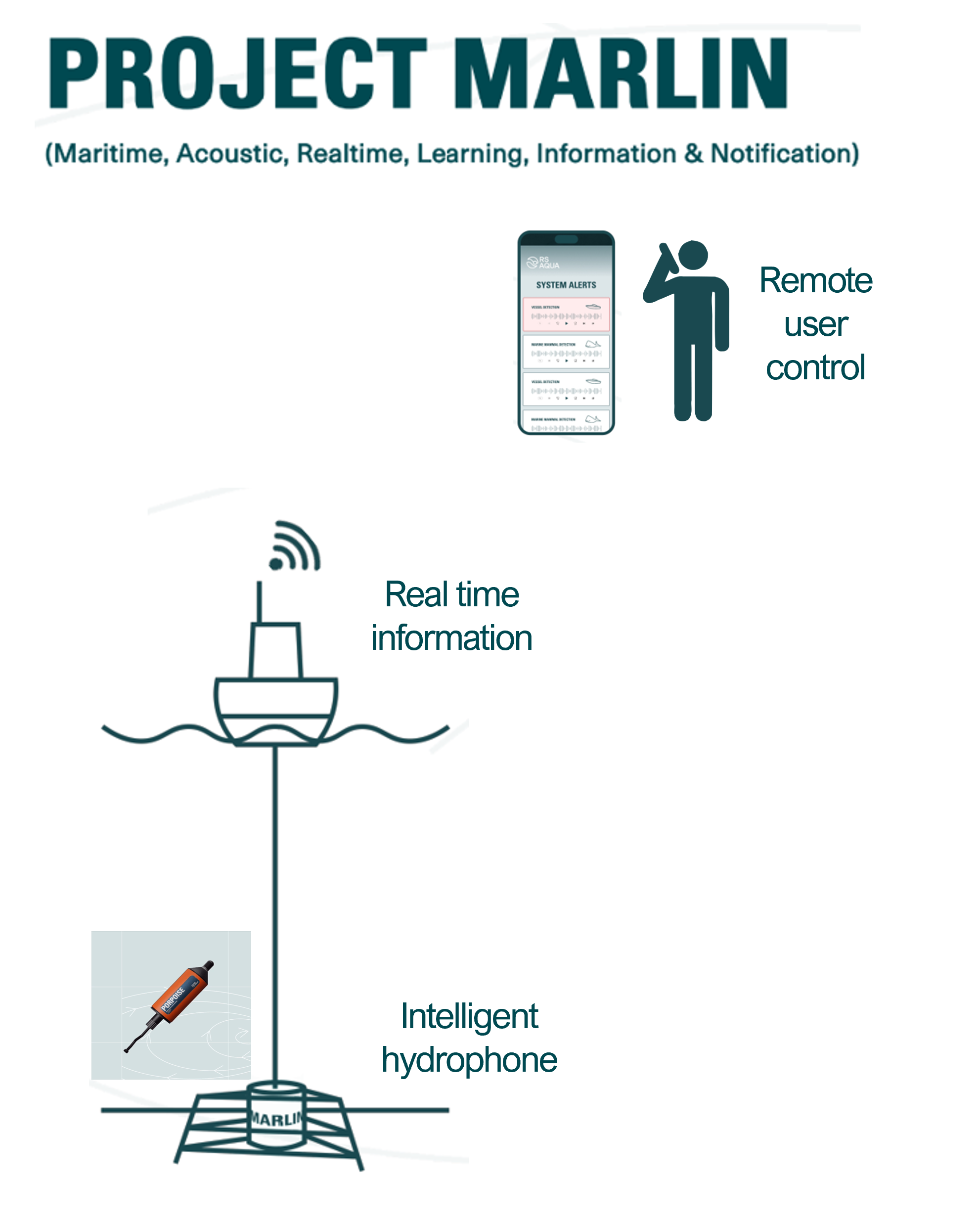
“MARLIN started as a single page concept: a buoy, an intelligent hydrophone on the seabed, and an alert in someone's hand.” — The MARLIN concept, 2023
It started as one page
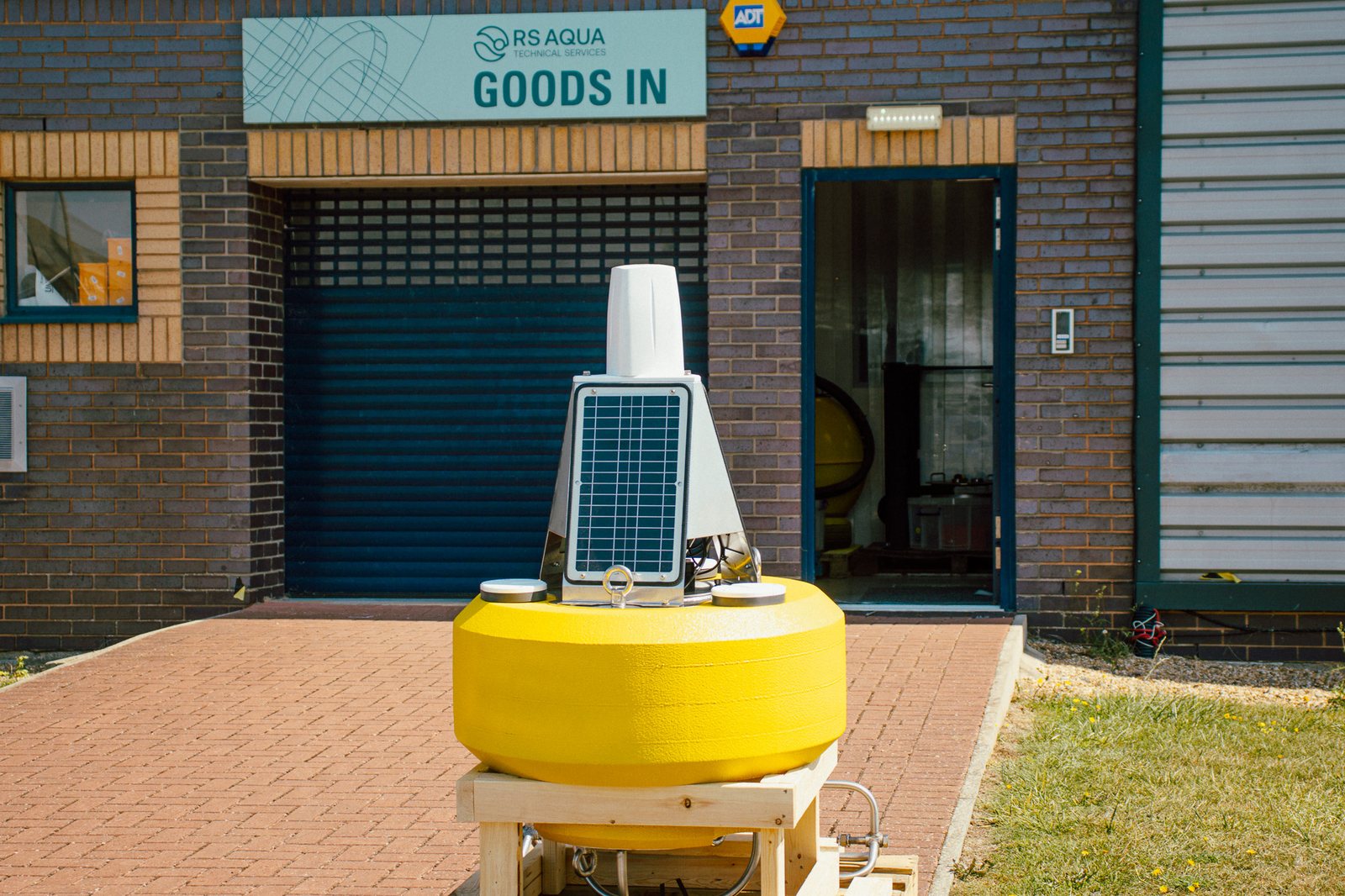
MARLIN — Maritime, Acoustic, Realtime, Learning, Information and Notification — began in 2023 as a single-page flowchart: a moored buoy, an “intelligent hydrophone” on the seabed, and real-time alerts to a phone in someone's hand.
That one page set the brief. Everything built since has been measured against it.
Choosing the brain
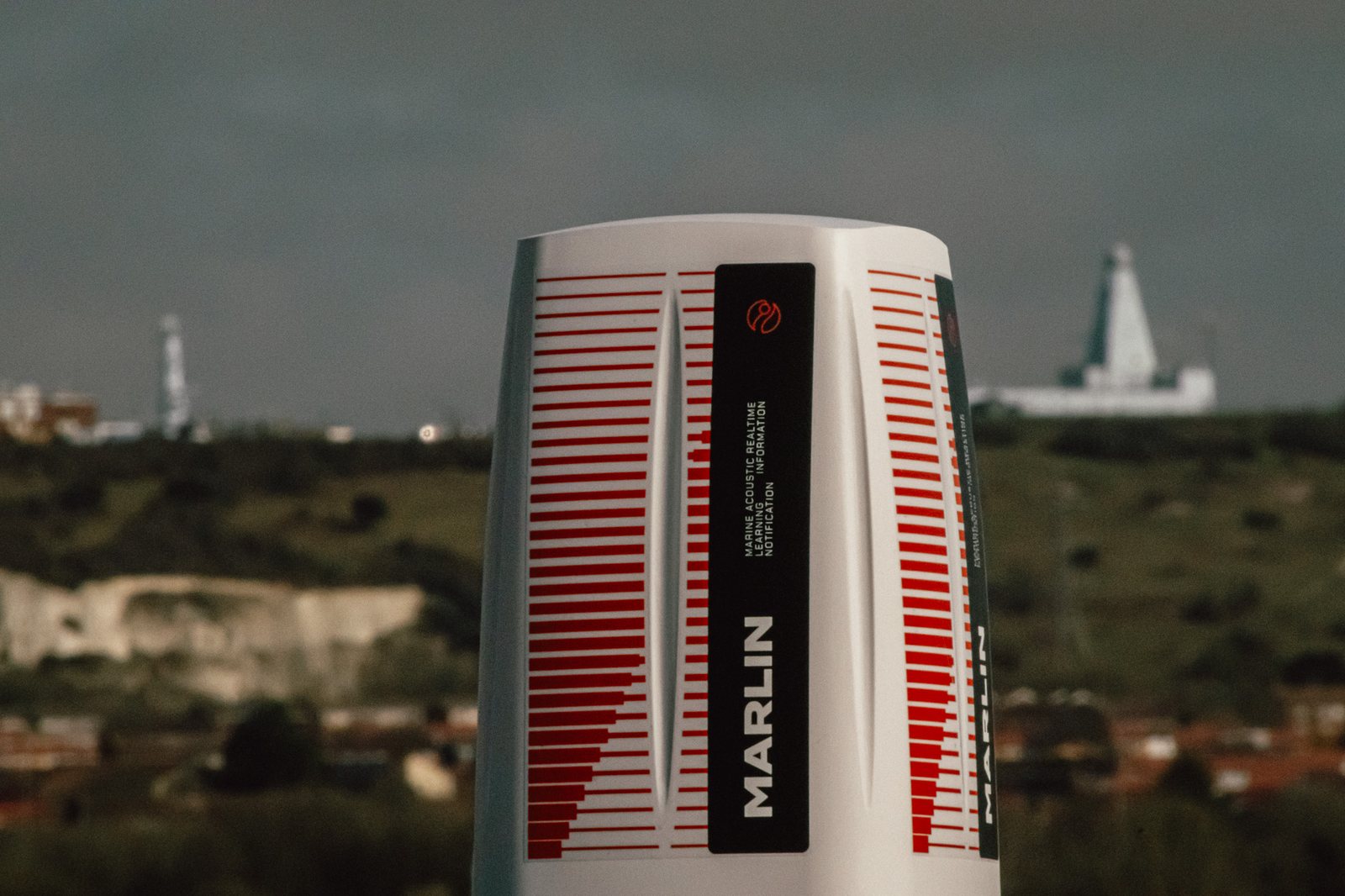
From that sketch, MARLIN moved through round after round of software and hardware iteration. The team weighed several controller options — including a low-cost single-board computer that powered an early deployed beta — before settling on a compact Arm-based compute board: low-power, with enough headroom to run edge compute, and a built-in 4G/LTE module.
The payoff is simple but important. MARLIN can turn raw data into decisions right where it sits, instead of shipping everything home first.
Finding its voice
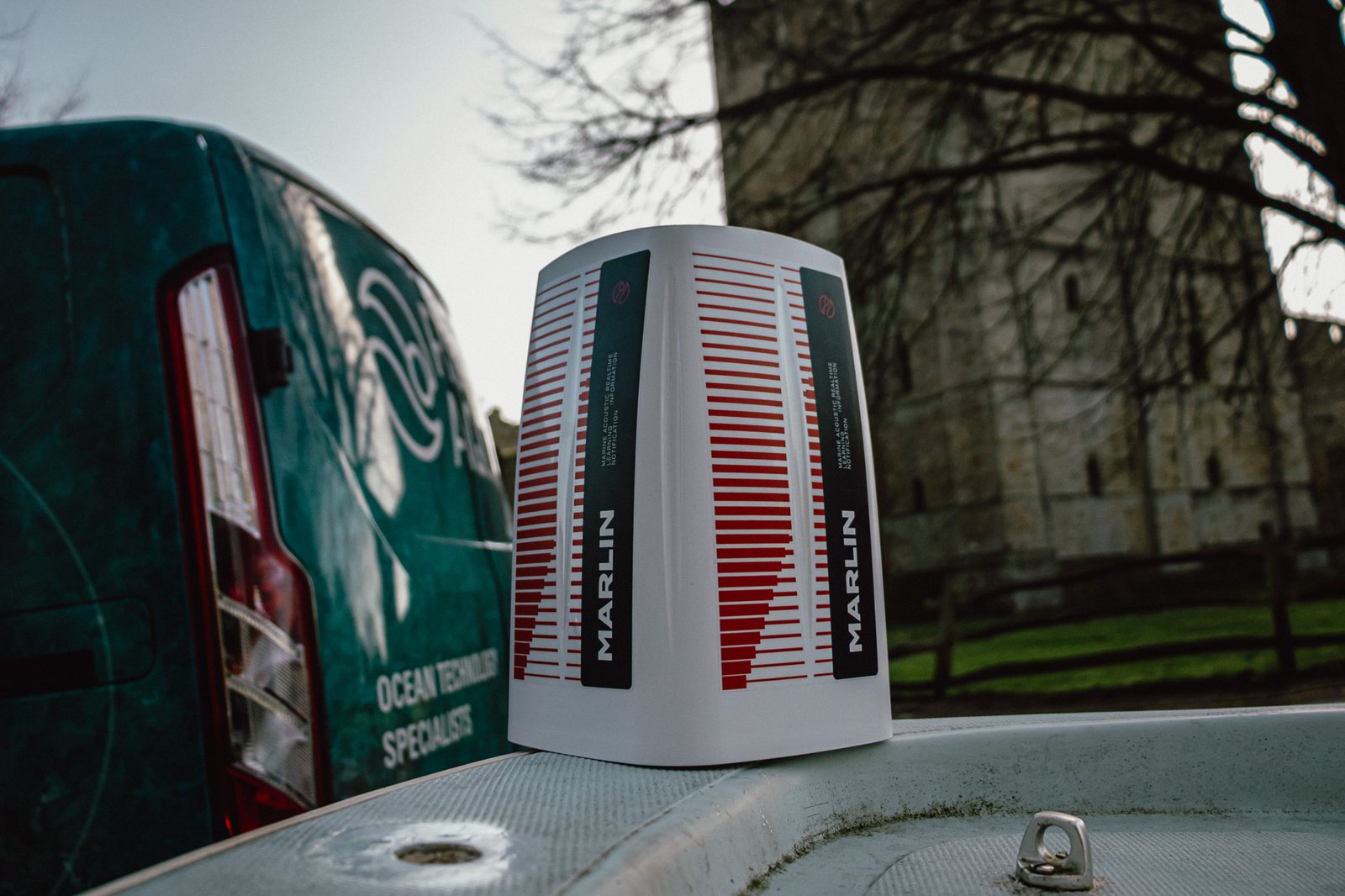
A sensor that can't phone home isn't much use offshore. In parallel with the compute work, MARLIN's voice was stress-tested across every link that matters at sea — on-board cellular modules, Wi-Fi routers, satellite, and radio — until it could stay connected almost anywhere it might be moored.
Teaching it to think
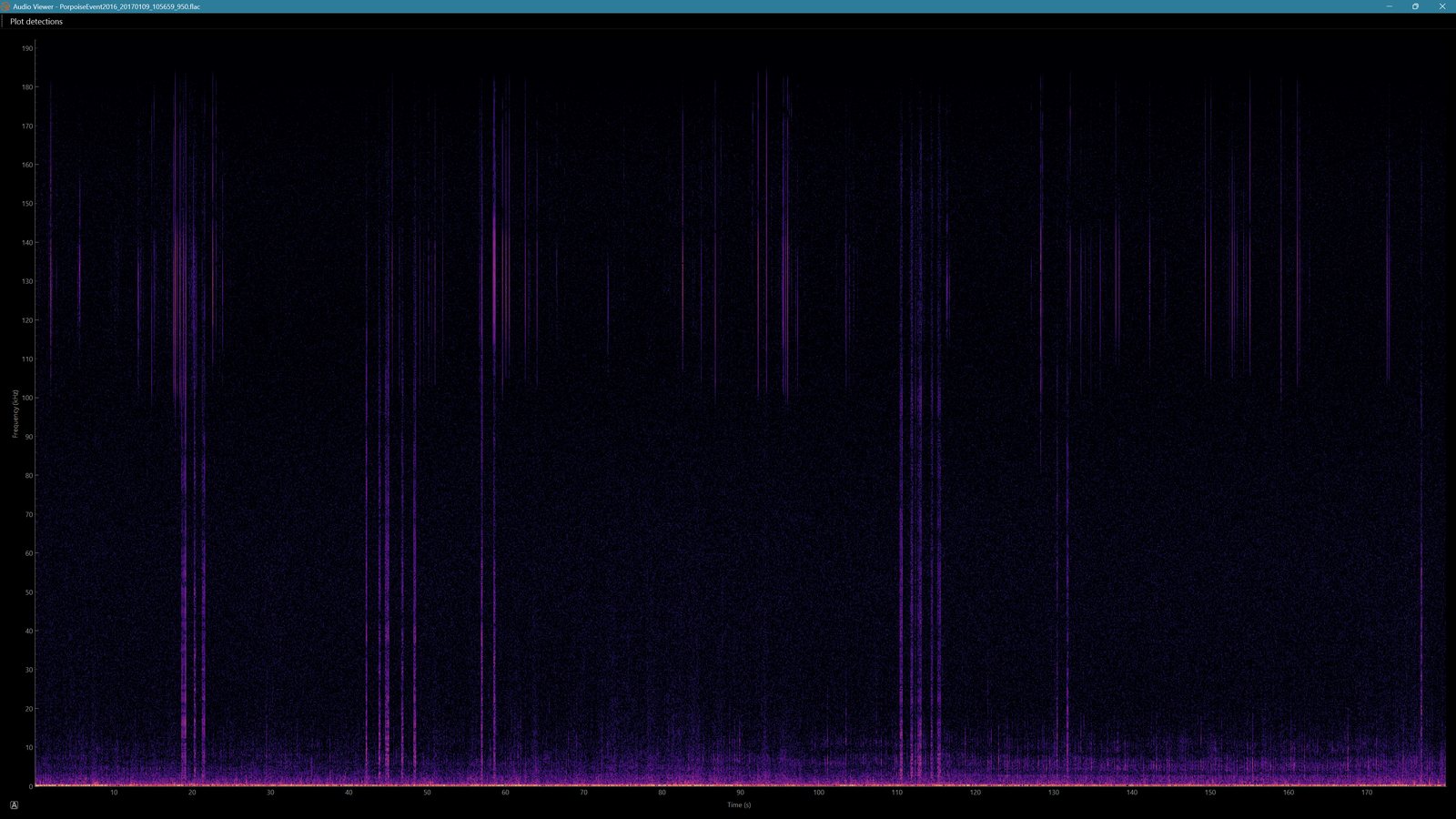
Detection is the hard part. A dedicated high-performance compute cluster was stood up so domain specialists could build and train detection algorithms, which were then pushed out to a cloud deployment that does the heavy lifting behind each device.
The whole pipeline was locked down end to end with AES-256 encryption — at rest and in transit — so the data stays secure from seabed to screen.
Listens, thinks, reports — by itself
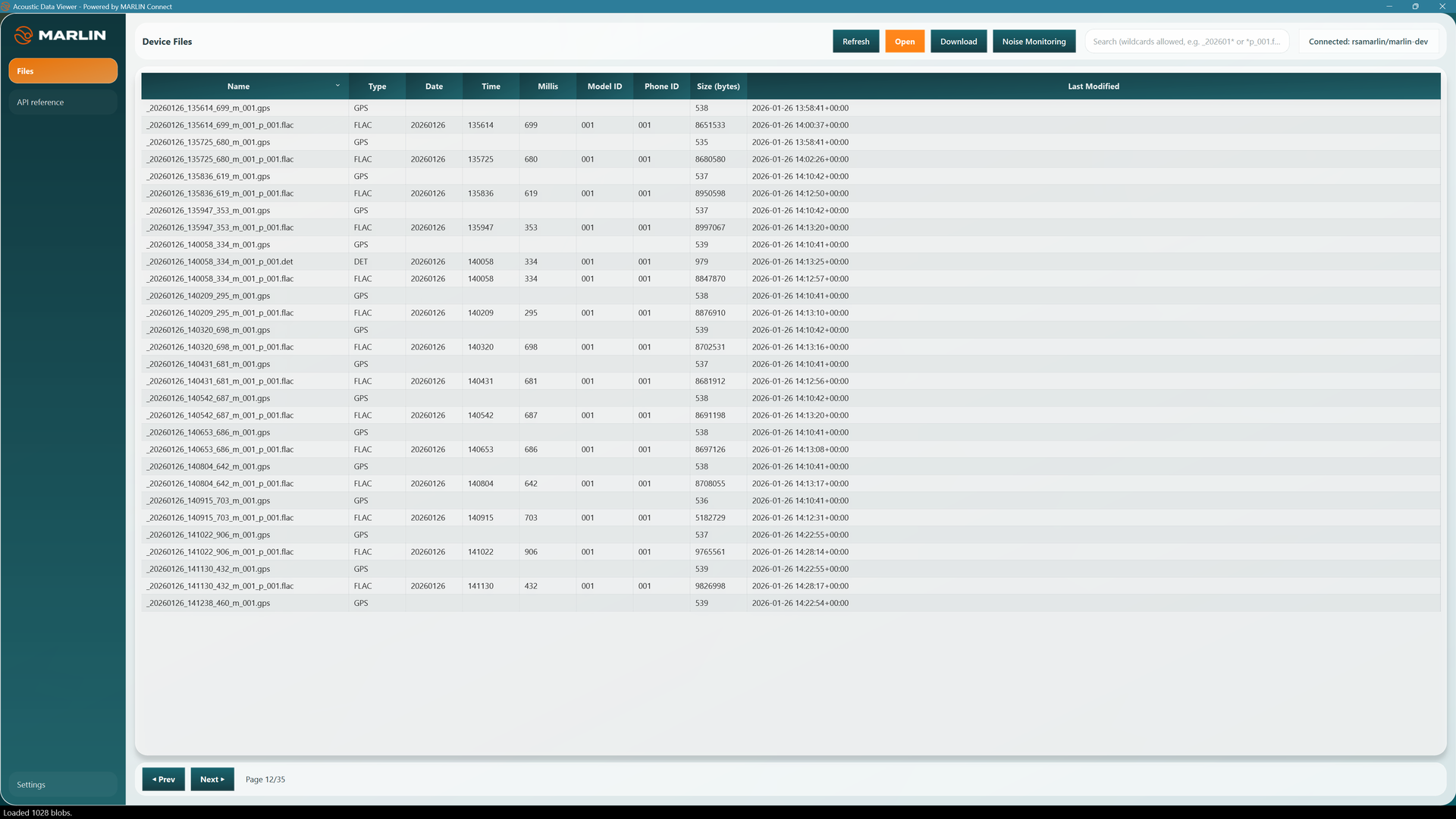
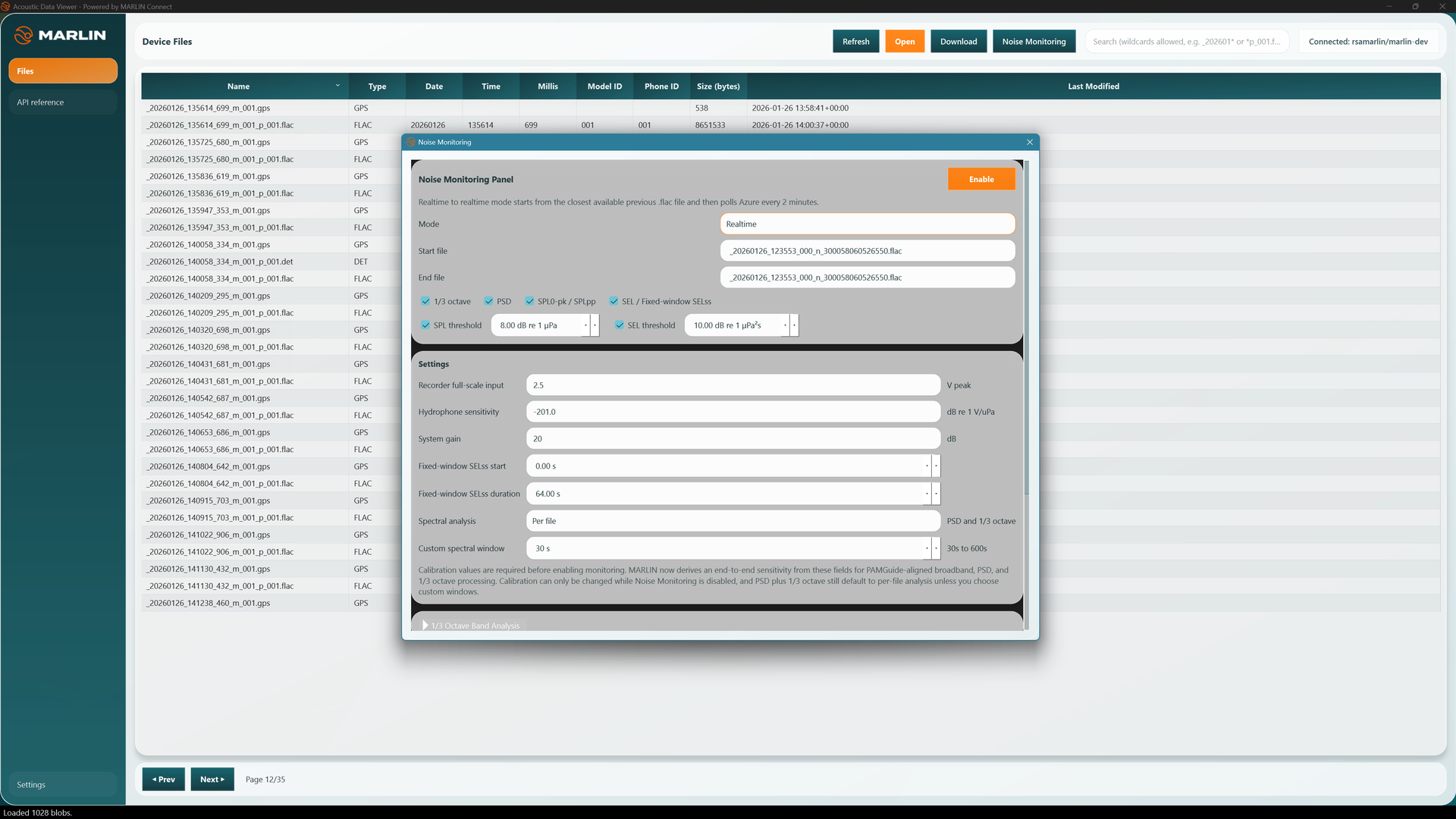
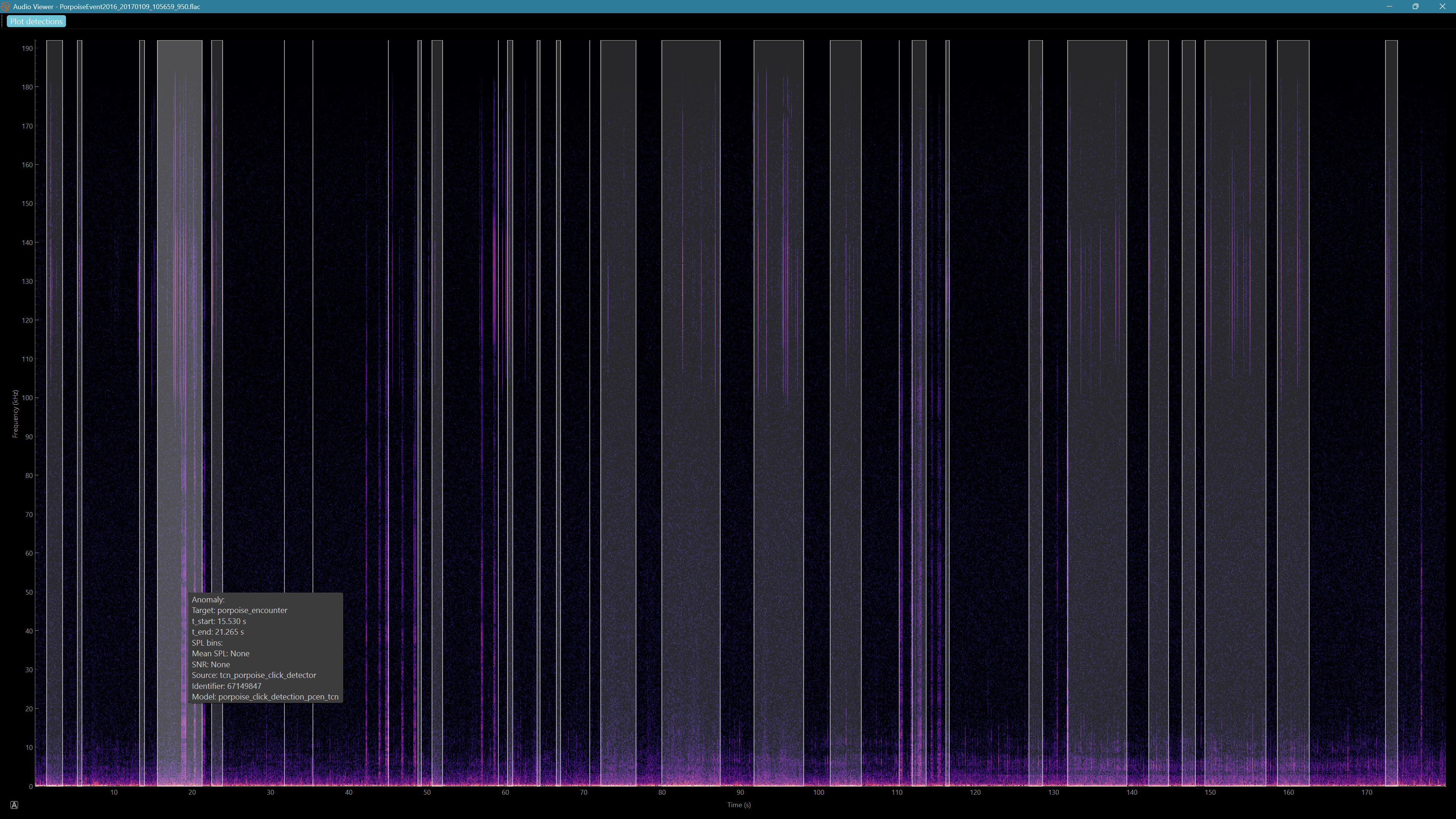
The result is a system that listens, thinks, and reports by itself. A desktop application turns MARLIN's raw acoustic streams into clear findings — anomalies, harbour porpoise events, and other targets — surfaced through algorithms built by domain specialists.
You don't go hunting for the signal in the noise. MARLIN brings the signal to you.
-

Porpoise — single-channel -

Orca — multi-channel
Growing into a full suite
MARLIN began life working with single- and multi-channel acoustic recorders. It's now growing into a full processing suite: metocean's NiKA and Rex2 wave-radar inputs are being folded in, extending that same edge intelligence across more sensors and systems.
Earning its sea legs
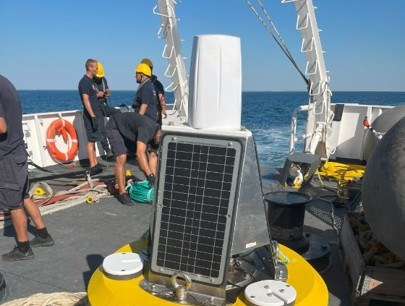
An ocean system framework only counts once it's been in the water. MARLIN earned its sea legs with two live deployments. At NATO's REPMUS 2025 exercise it ran with zero reported failures, reporting to NATO command throughout.
And in a sea-trial demonstration it brought real-time detection and data-streaming latency to under 5 minutes 30 seconds over 4G — from a hydrophone in the water to a detection on a screen.