
Reading the Room
Learn what a construction site sounds like — then catch the porpoise, the intruder and the loud bits.
In Make Some Noise we opened the hood on the listening and the thinking — calibrated metrics and in-house detectors. This is where they go to work, on one of the noisiest, most closely-watched jobs in the water: building an offshore wind farm.
“Before you can flag what's wrong, you have to learn what normal sounds like — for this stretch of sea, on this day.” — Field notes, MARLIN team
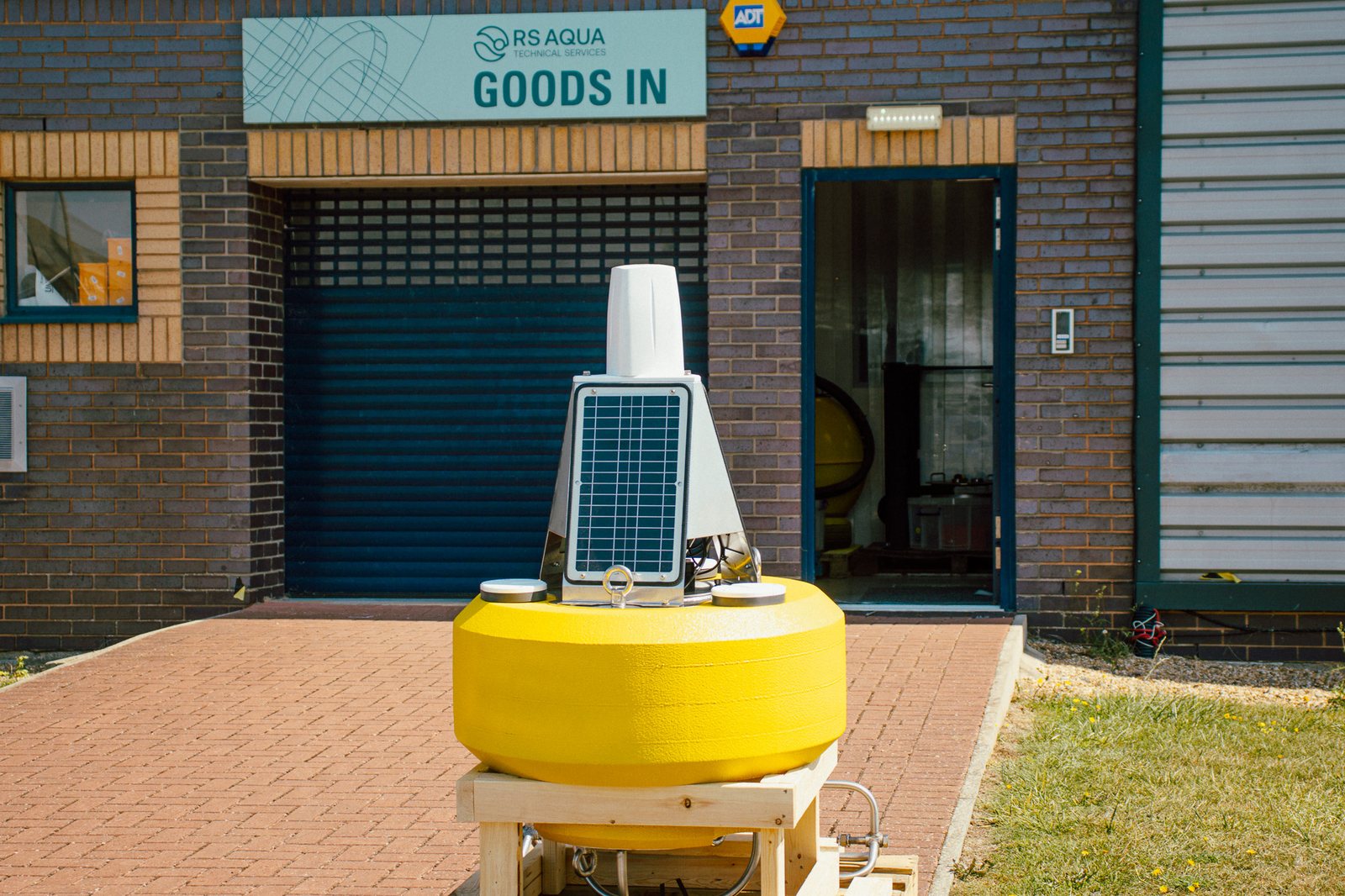
Three jobs, one platform
Offshore wind is going up fast across the UK and Europe, and every project carries the same tension: keep the build moving, and prove you're not harming the environment while you do it. That proof is acoustic.
So we pointed the noise update at the three questions a construction site actually has to answer — who's around (harbour porpoise), what doesn't belong (anomalies), and how loud it got (impulsive-noise metrics) — calibrated end to end and running while the work happens.
Who's around, on the clock
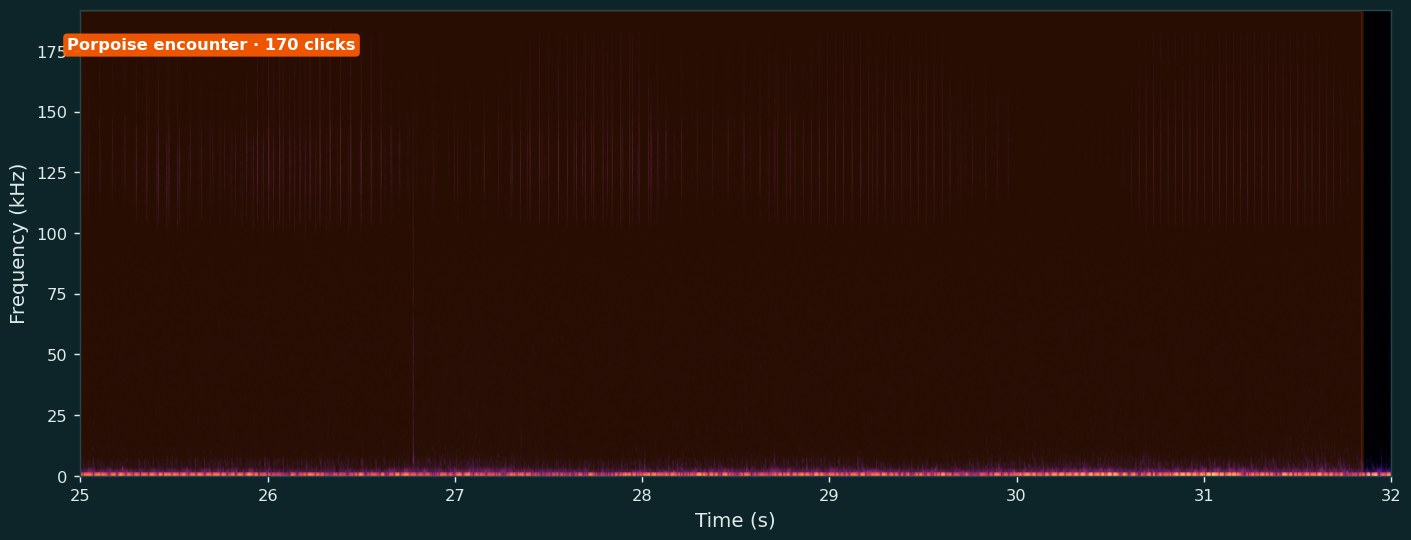
Harbour porpoise are protected, and they're the species everyone watches first. Seabed piling is loud, and that noise can push them off migration routes and disrupt feeding and breeding. MARLIN's porpoise detector listens continuously for their fast, high-frequency click-trains and marks encounters as they happen — near-real-time awareness of when animals are in the project area.
That's the record developers need to show they're meeting marine-mammal protection requirements, and the live signal that informs when to start, hold, or carry on.
What doesn't belong
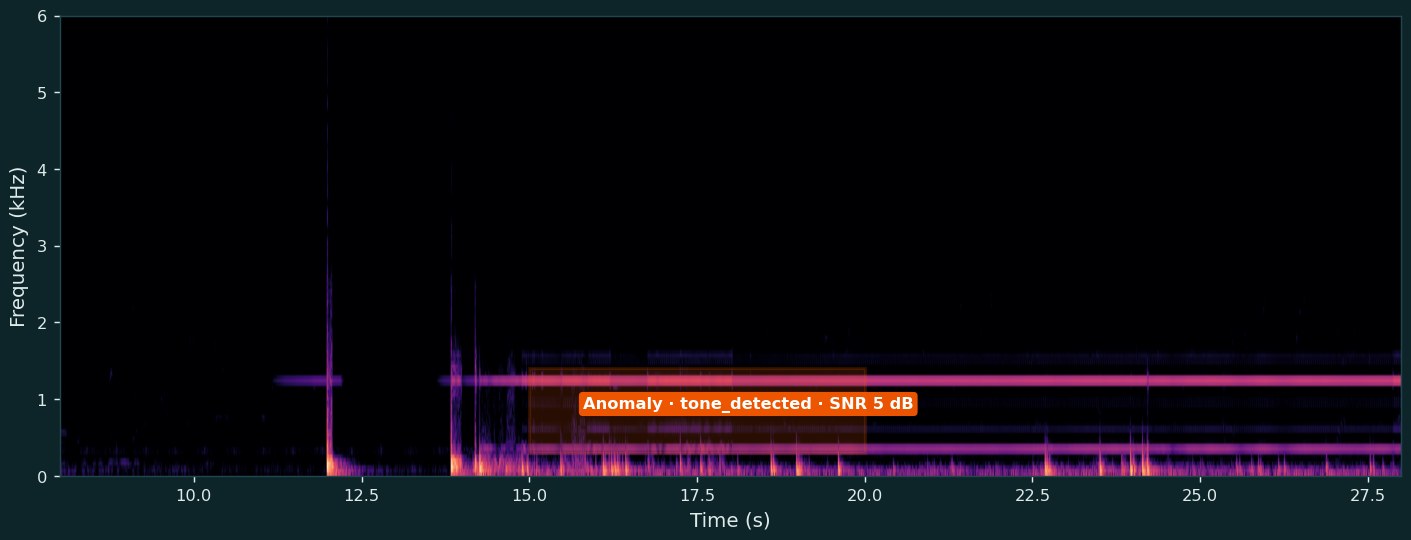
Give MARLIN a quiet stretch and it learns the site's baseline — the sound signature of that particular patch of sea. After that, it flags whatever doesn't fit: an unscheduled vessel where there shouldn't be one, or another out-of-place disturbance worth a second look.
Same listening, a different question — not “is the porpoise here?” but “is anything here that shouldn't be?” Useful well beyond wildlife, for site security and keeping an eye on the unexpected.
How loud, on the record
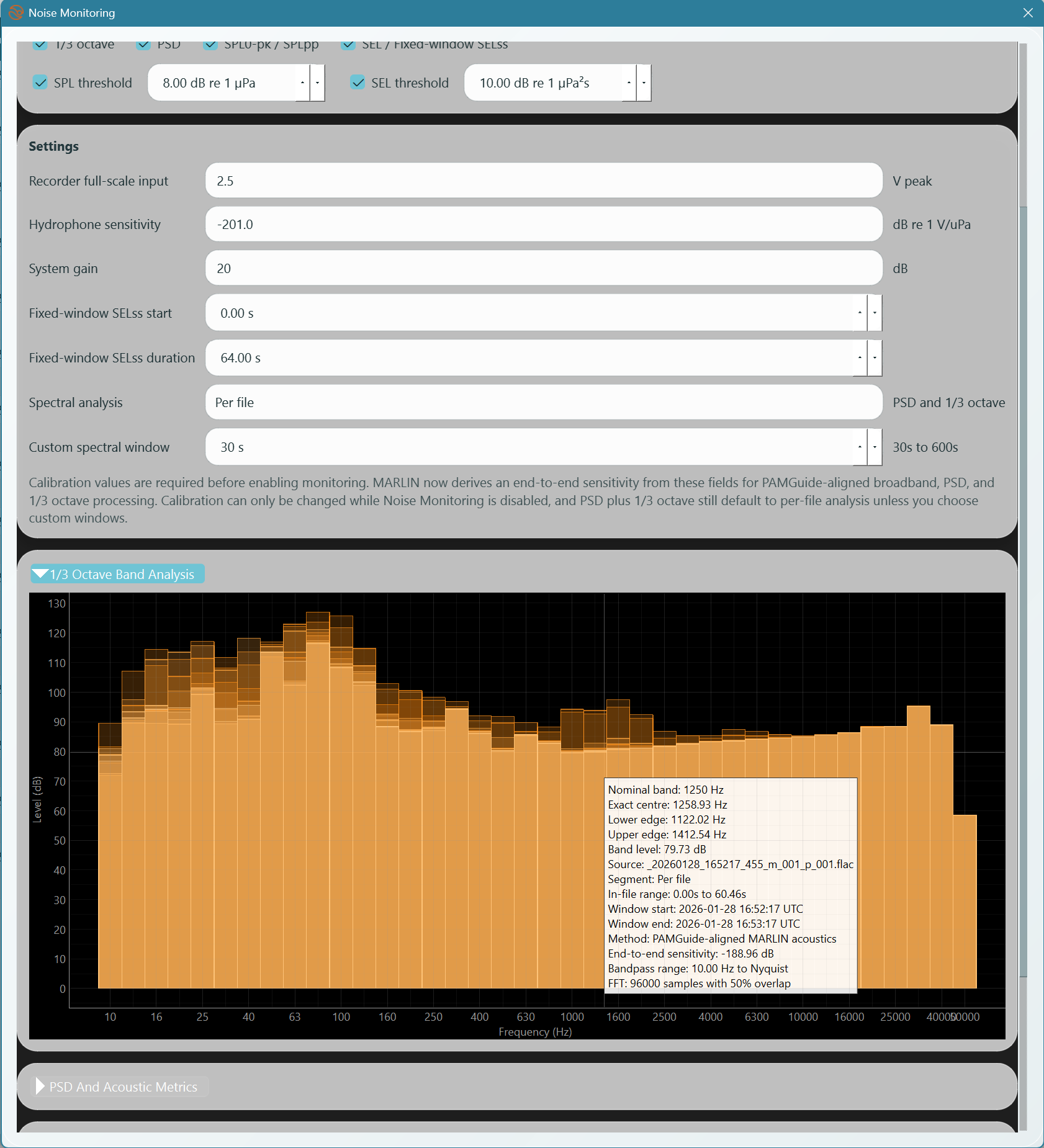
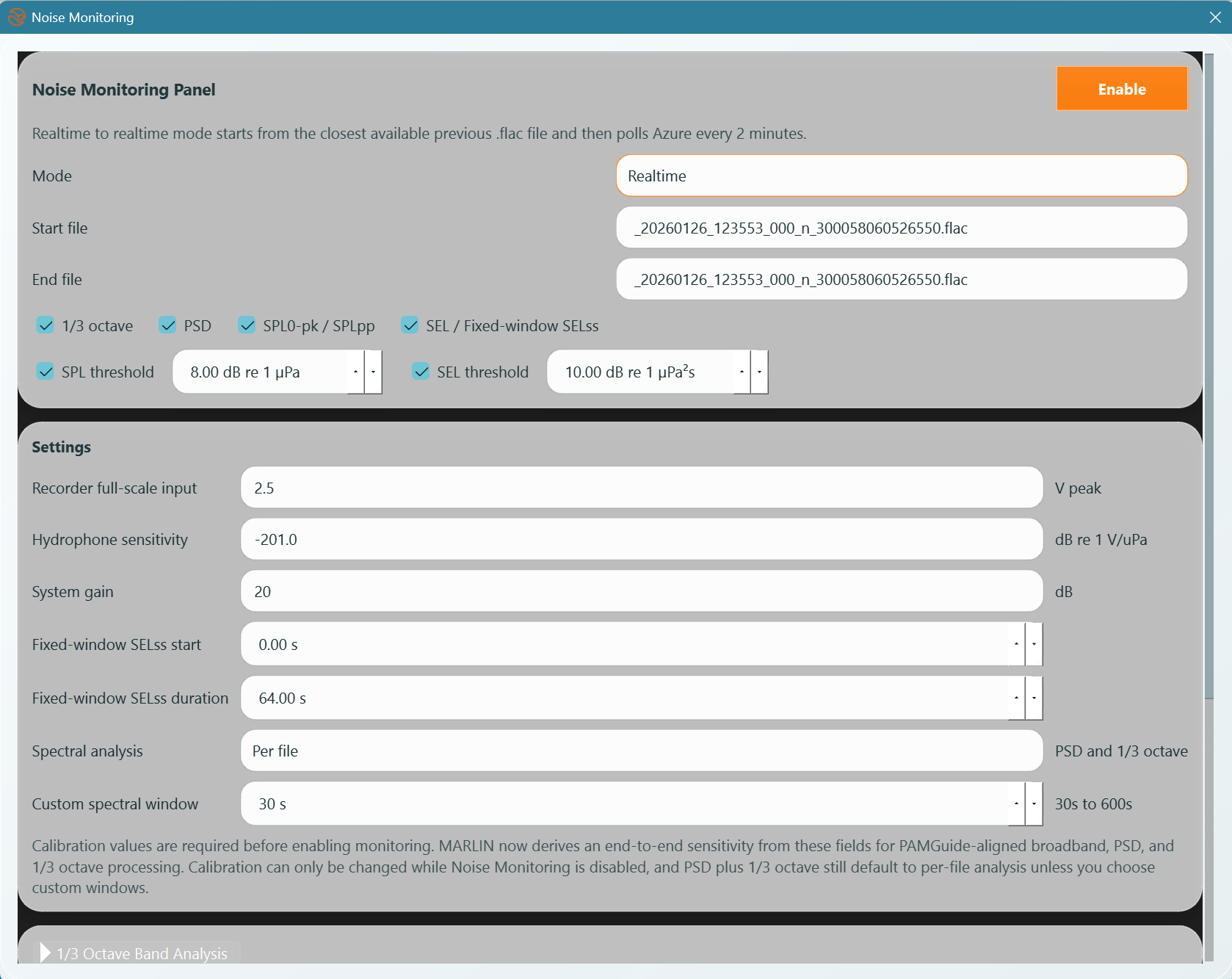
Impulsive noise — the hammer of piling — is the thing regulators ask about by name. MARLIN measures and logs the standard metrics automatically: sound pressure level (SPL), sound exposure level (SEL), power spectral density (PSD) and 1/3-octave band analysis. (We covered what each one means in Make Some Noise.)
Thresholds are yours to set. When a window crosses one, the operator gets an alert — in the app or by email. The result is a defensible acoustic record: the evidence environmental reporting under UK and EU offshore rules actually asks for.
One calibrated chain
The numbers hold up because nothing in the chain is borrowed. Hydrophone, data-acquisition hardware and processing software are calibrated and connected as one system — so the data is traceable from the water to the report, not stitched together from three vendors. Three parts do the work:
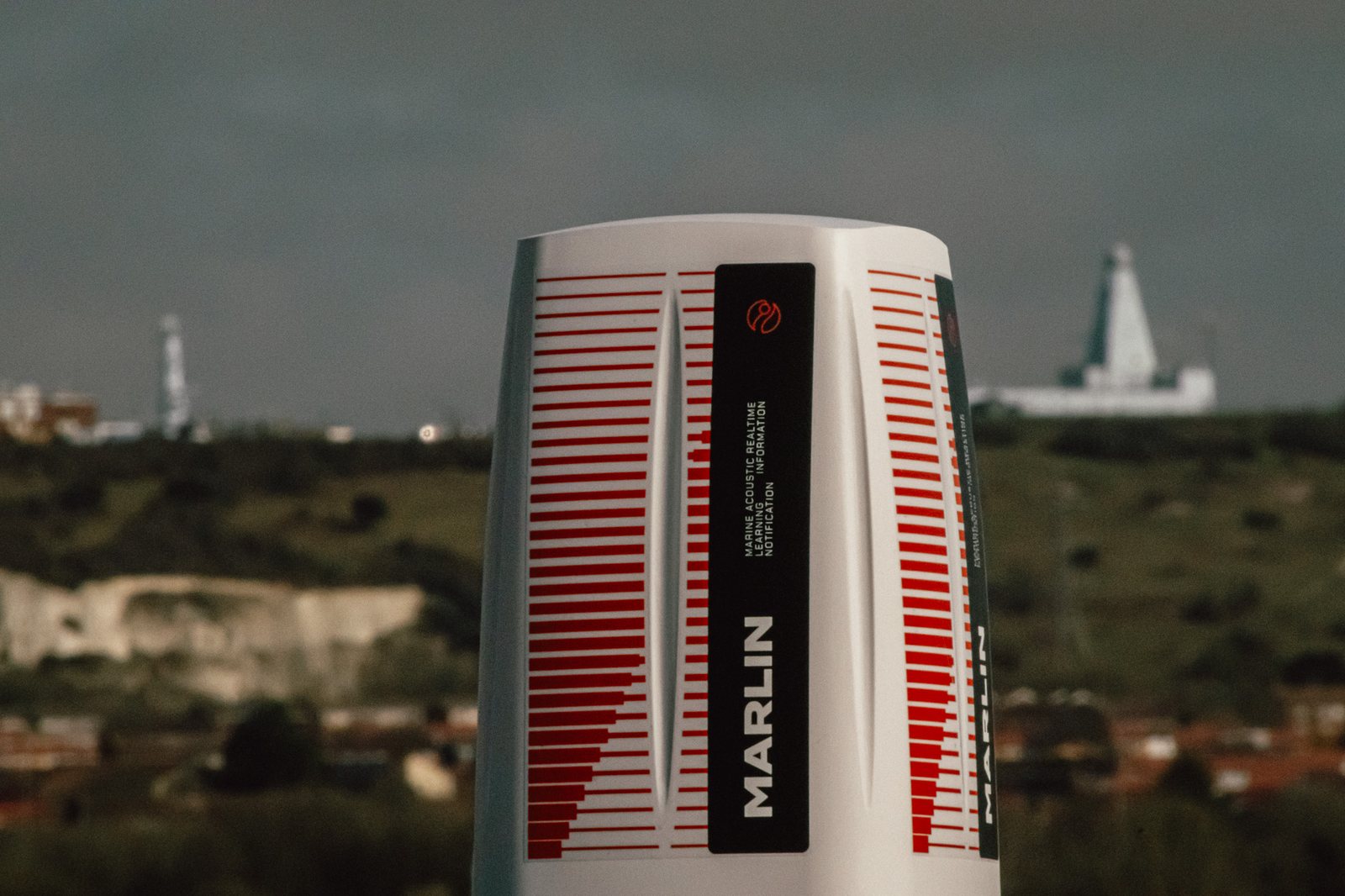
- Marlin Link — the rugged, self-contained unit in the field; it connects to the acoustic recorders, captures the data and ships it securely for processing.
- Marlin Cloud — the secure processing layer; it stores the incoming audio, runs the detection models and raises the alerts.
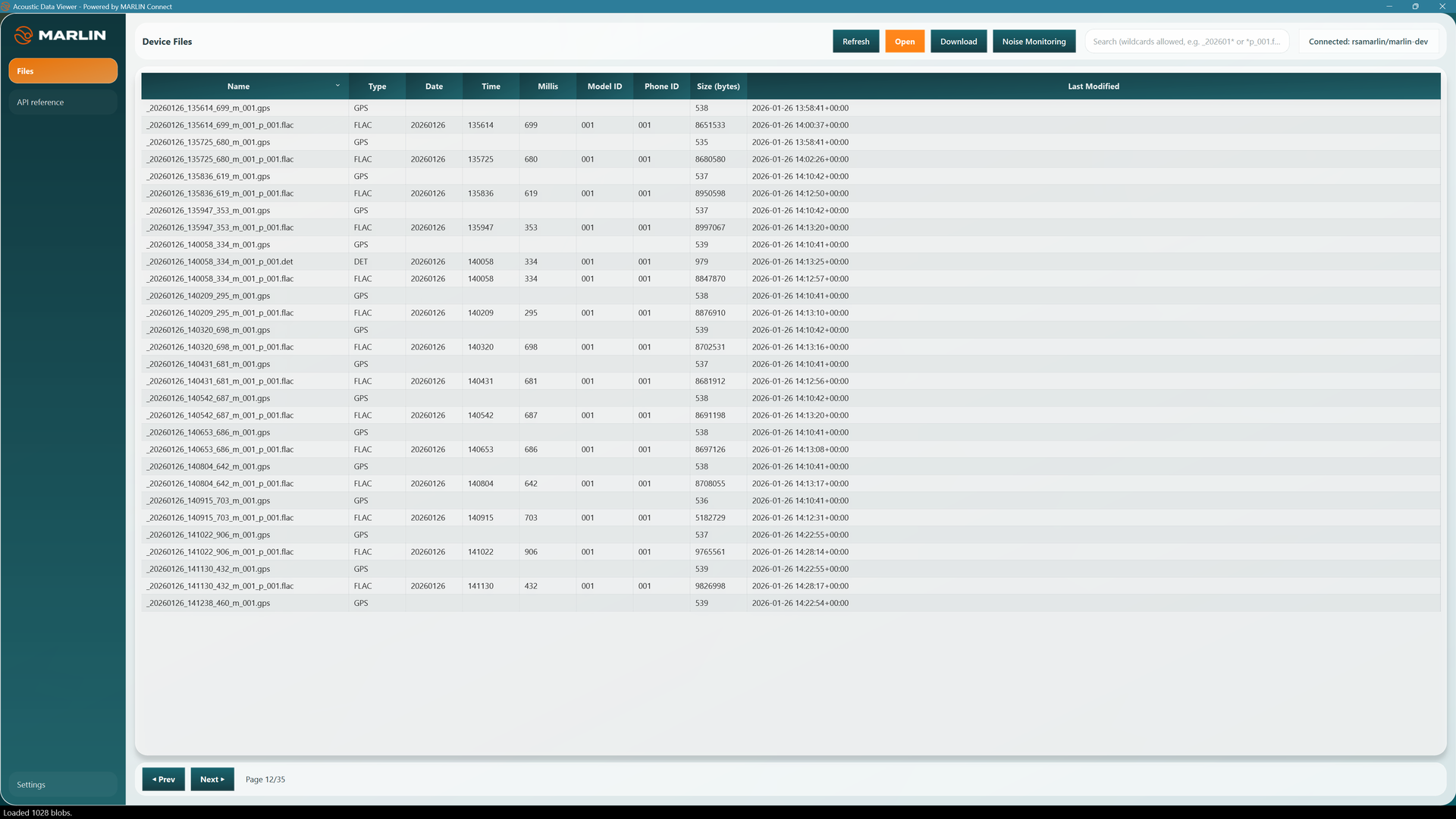
- Marlin Connect — the desktop app; live and historical views, detection results, analysis tools and export — where the data becomes something you can act on.
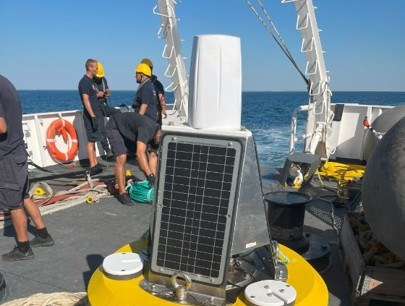
Bolt Marlin Link to a buoy or a fixed platform and the whole thing runs autonomously — no dedicated survey vessel, no crew on station. The oversight stays continuous, and the cost of keeping it going comes down.